


Hand Sanitizer Without Running Water: A Complete Guide
Table of Contents
- How to Clean Hands Without Running Water
- Hand Sanitizer vs. Soap and Water: What Each Does Best
- How to Use Hand Sanitizer Correctly
- Alcohol-Based vs. Alcohol-Free Hand Sanitizer
- Portable Handwashing Station Options for Travel and Work
- How to Choose a Hand Sanitizer for Life Without Running Water
- Safe Use, Storage, and What to Ignore
- Frequently Asked Questions
Last Updated: October 19, 2026
How to Clean Hands Without Running Water
Hand sanitizer without running water reduces germs when a sink is out of reach, but it works differently from soap and water and has clear limits. This guide from Hand Defense covers when sanitizer is enough, when it is not, and how to use it well.

Soap and water physically lift dirt and oils off your skin, while sanitizer reduces germs on skin that is already visibly clean.
Step-by-Step: Using Hand Sanitizer When a Sink Isn't Available
The correct method takes about 20 seconds. Most people rush it and miss the fingertips and thumbs, where germs concentrate.
- Check your hands first. If they are visibly dirty or oily, wipe off what you can with a dry cloth or tissue before applying product.
- Prime the pump on a new bottle so the first dose is full-strength, not air.
- Apply one pump to the palm of one hand. Hand Defense directions call for one pump to cover both hands.
- Rub palms together, then interlace fingers to reach the webbing.
- Work the backs of both hands, then each thumb, then the fingertips and nails.
- Keep rubbing until the product dries completely. Do not wipe it off on clothing.
- Let hands air-dry before touching food, doorknobs, or your face.
Expected result: hands feel dry, not sticky, and you have not left a visible residue.
Hand Sanitizer vs. Soap and Water: What Each Does Best
Soap and water wins when hands are visibly dirty, greasy, or have been in contact with food, soil, or bodily fluids.
Hand sanitizer wins on speed, portability, and availability. When soap and water are unavailable, a waterless formula reduces germs in seconds at a worksite, on a train, or mid-shift. The tradeoff: sanitizer does not remove dirt or oils, and its effectiveness drops sharply on soiled hands.
| Situation | Best Method | Why |
|---|---|---|
| Hands visibly dirty or greasy | Soap and water | Physical removal of dirt and oils |
| After restroom use | Soap and water preferred | Sanitizer does not remove soil |
| On the go, no sink nearby | Hand sanitizer | Portable, fast, no water needed |
| Before eating, hands look clean | Hand sanitizer | Convenient germ reduction |
| Handling food or raw meat | Soap and water | Sanitizer cannot cut through residue |
How to Use Hand Sanitizer Correctly
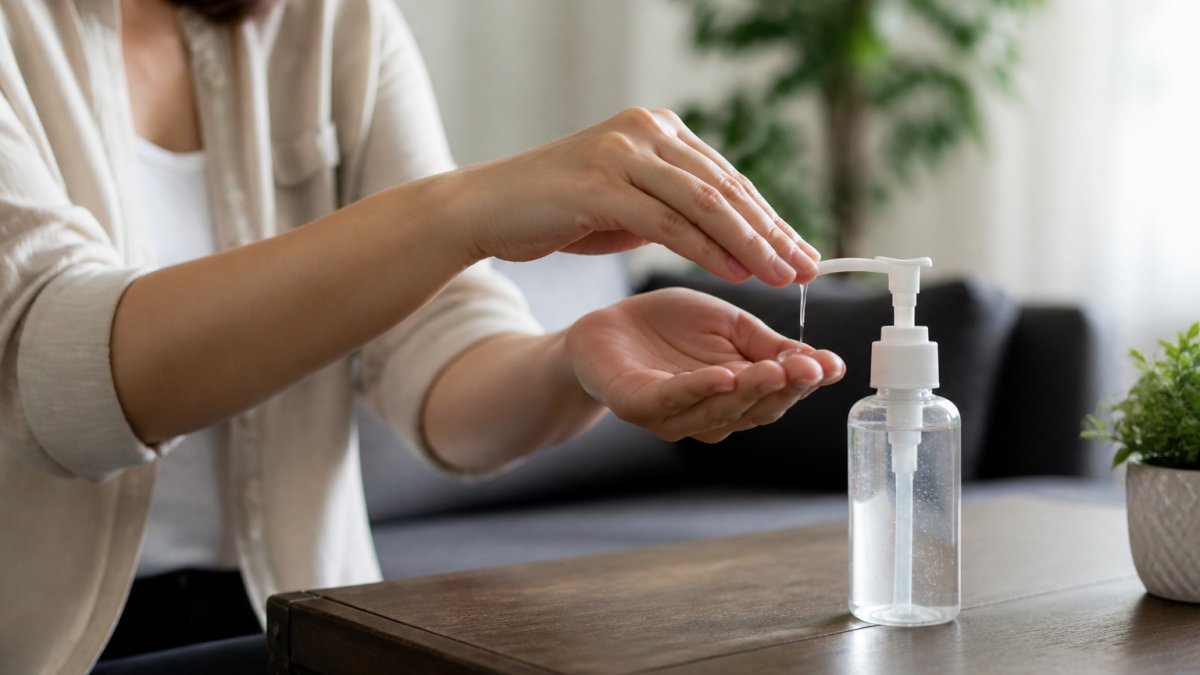
Correct use comes down to three things: enough product, full coverage, and letting it dry. A thin smear over the palms leaves the fingertips, thumbs, and nail beds untreated, where many germs sit.
Use the amount the label specifies and keep rubbing until the skin is dry. Alcohol-based products need to stay wet long enough to work, and alcohol-free formulas rely on the active ingredient staying in contact for the full dry-down.
Common Application Mistakes to Avoid
- Wiping hands on pants or a towel before the product dries, which removes it before it can act
- Skipping the thumbs, fingertips, and between the fingers
- Applying to wet hands, which dilutes the formula
Alcohol-Based vs. Alcohol-Free Hand Sanitizer
Alcohol-based and alcohol-free sanitizers are not interchangeable. They use different active ingredients, work by different mechanisms, and carry different label requirements, which matters when picking one for how often you sanitize.
How alcohol-based sanitizers work
Ethanol and isopropyl alcohol work by denaturing proteins and dissolving the lipid membranes of many germs. That is why concentration matters: the CDC guidance on hand hygiene recommends alcohol-based hand sanitizer with at least 60% alcohol when soap and water are not available.
The tradeoffs are real. Alcohol flashes off quickly, so a single application gives a short window of activity. Repeated use strips oils and can sting cracked skin.
How alcohol-free sanitizers work
Alcohol-free formulas typically use benzalkonium chloride or another quaternary ammonium compound. These act on germ cell membranes through a different mechanism and do not evaporate like alcohol, so the active ingredient can remain on skin after the product dries.
The upside is less drying and no alcohol sting. The downside is that alcohol-free formulas can leave a light film while they dry, and they are not a substitute for washing when hands are visibly soiled, no sanitizer is.
Reading the Drug Facts panel
Every sanitizer sold in the U.S. carries a Drug Facts panel modeled on the FDA guidance on hand sanitizers. Read it in this order:
- Active ingredient and percentage. This tells you what is doing the work and at what strength. Compare it to the 60% alcohol benchmark for alcohol products.
- Purpose. Usually "antiseptic" or "antimicrobial."
- Uses. The label states whether the product is for hand hygiene and whether it is intended for use when soap and water are unavailable.
People often compare products by scent or bottle size and never read the active percentage, the number that most affects whether the product performs as intended.
| Feature | Alcohol-Based | Alcohol-Free (Benzalkonium Chloride) |
|---|---|---|
| Active ingredient | Ethanol or isopropyl alcohol | Benzalkonium chloride |
| Typical strength | At least 60% alcohol per CDC guidance | 0.1% active, per label |
| Mechanism | Denatures proteins, disrupts lipids | Disrupts germ cell membranes |
| Feel on skin | Cooling, then drying | Water-based, less drying |
| Sting on cracked skin | Common | Avoids alcohol burn |
| Flammability | Flammable; store away from heat | Not alcohol-flammable |
| Duration | Short; evaporates fast | Up to 8 hours per use, per brand |
| Best for | Quick one-off use | Frequent daily use, sensitive skin |
Portable Handwashing Station Options for Travel and Work
A portable handwashing station fills the gap when you need actual washing away from plumbing. The right choice depends on how dirty your hands get, how many people use it, and whether you carry the water yourself.
Match the tool to the dirt
The first question is not which product to buy, it is what is on your hands.
- Visibly dirty, greasy, or gritty hands (soil, food residue, motor oil, bodily fluids): you need soap and water. A portable station with a spigot, soap, and a towel is the minimum. Sanitizer alone will not remove the soil, and its germ-kill drops sharply on dirty hands.
- Hands that look clean but have been in public settings (transit, stores, shared tools): hand sanitizer is the efficient choice. It is fast, needs no water, and fits in a pocket.
- Sticky or lightly soiled hands with no sink: waterless soap or a rinse-free wipe can bridge the gap until you reach water. They are not a substitute for washing after food handling or restroom use.
Station types and what each is good for
- Gravity-fed water bag with spigot: light, packs flat, one-hand flow control. Best for camping, hiking crews, and outdoor work where weight matters. Pair with bar soap in a case and a quick-dry towel.
- Pump container with basin: sturdier and easier for multiple users. Better for a fixed worksite, market stall, or event booth.
- Waterless soap and sanitizer combo: no water at all. Best for travel, vehicles, and pockets. Use for low-soil moments and switch to a real wash when hands are dirty.
Setting-specific guidance
- Camping and hiking: a gravity bag plus biodegradable soap and a towel covers most needs. Keep sanitizer accessible for before-eating and after-restroom moments when setting up water is impractical.
- Worksites and job trailers: a pump container with a basin and a mounted soap dispenser handles a crew. Add sanitizer at the entrance for visitors and quick cleanups between tasks.
- Travel and road trips: a small gel or spray sanitizer in the console or bag, plus rinse-free wipes for sticky hands. A collapsible water bottle with a spigot cap can serve as an emergency station.
How to Choose a Hand Sanitizer for Life Without Running Water
Choose based on three questions: how often you sanitize, how sensitive your skin is, and how long you need protection to last.
Start with the active ingredient. If alcohol dries out your hands or stings, an alcohol-free formula is the better fit.
Format matters too. Gels stay put and are easy to measure; sprays and mists cover large areas fast and suit shared stations; waterless soap is a middle option for a rinse-free clean without alcohol.
- Frequent daily use or sensitive skin: alcohol-free, water-based formula
- Shared workspace or front desk: spray or mist for fast coverage
- Travel and pockets: small gel bottle, one pump per use
Safe Use, Storage, and What to Ignore
Store sanitizer away from heat and direct sunlight, keep the cap closed, and keep bottles out of reach of young children.
Ignore marketing claims that go beyond what the label supports. Read the Drug Facts panel for the active ingredient and directions, and treat duration claims as brand statements to verify against the label. The FDA guidance on hand sanitizers explains what these products can and cannot claim, which helps you separate useful information from noise.
One more thing to ignore: more product is not always better. Over-applying leaves hands wet and sticky and wastes formula.
Most waterless hand hygiene products force a tradeoff between effectiveness and comfort, and frequent users feel it by the end of the day.
Frequently Asked Questions
Can hand sanitizer replace handwashing when there's no running water?
Yes, when soap and water are unavailable, a hand sanitizer can reduce germs on your hands. Choose an alcohol-based product with at least 60% alcohol or an alcohol-free formula like Hand Defense that uses benzalkonium chloride. Sanitizer works best on hands that aren't visibly dirty or greasy. If your hands have dirt, oil, or residue, wipe them first or use a portable handwashing station. Sanitizer is a practical backup, not a full replacement for washing when a sink is available.
How much hand sanitizer should you use?
Use enough to cover both hands completely, including palms, backs, fingers, and fingertips. For most gel formulas, that's about one pump or a dime-sized amount. Hand Defense directions say to prime the pump and use one pump to cover both hands. If your hands feel dry before you finish rubbing, you probably used too little. Using the right amount matters because partial coverage leaves spots untreated and reduces how well the product works.
How long should you rub hand sanitizer into your hands?
Rub your hands together until they feel dry, usually about 20 to 30 seconds for a gel or spray. Don't wipe your hands on a towel or shake them dry, because that removes the product before it finishes working. Pay attention to thumbs, between fingers, and under nails, which are easy to miss. If your hands are still wet after 30 seconds, you likely applied too much. Let them air dry completely before touching food or surfaces.
Does hand sanitizer work when your hands are visibly dirty or greasy?
No. Sanitizer works poorly on hands that are visibly dirty, greasy, or covered in oils because the soil blocks contact with germs. Remove dirt first with a wipe or a portable handwashing station, then apply sanitizer. For outdoor use, camping, or worksite situations, keep a pack of wipes and a waterless soap or sanitizer together. If your hands are heavily soiled, soap and water remain the better choice whenever you can reach a sink.
What should you look for in a travel hand sanitizer?
Look for a portable size that fits a bag or pocket, a formula that matches your skin needs, and clear directions on the label. Check the active ingredient: alcohol-based products should list at least 60% alcohol, while alcohol-free options like Hand Defense use benzalkonium chloride 0.1%. If sticky residue bothers you, try a gel or spray that dries without a film. Hand Defense comes in a 1 oz bottle with about 150 uses and costs $19.99.
How can you wash your hands when you're camping or traveling without a sink?
Pack a portable handwashing station, such as a small water reservoir with a spigot, plus soap and a towel. If water isn't practical, use a hand sanitizer or waterless soap. For camping, clean visible dirt off first, then apply sanitizer and rub until dry. For air travel, keep a 1 oz bottle in your carry-on and use it after security, before meals, and after restroom visits. A combination of wipes and sanitizer covers most situations.
Is alcohol-free hand sanitizer as effective as alcohol-based sanitizer?
Both can reduce germs when used correctly, but they work differently. Alcohol-based sanitizers need at least 60% alcohol and kill many germs quickly, though they can dry or sting skin. Alcohol-free options like Hand Defense use benzalkonium chloride 0.1% and are NDC-listed. They don't carry the alcohol burn and are made with a water-based formula. Effectiveness depends on using enough product, covering both hands, and letting them dry completely. Choose based on skin sensitivity, setting, and label directions.
How should you store hand sanitizer safely?
Keep hand sanitizer out of reach of children and away from eyes. Store it at room temperature and away from direct sunlight or heat sources, especially alcohol-based gels, which are flammable. Check the label for warnings: Hand Defense says to avoid contact with eyes and to stop use if irritation or redness develops. If swallowed, get medical help or contact a Poison Control Center right away. For travel, keep bottles upright and closed to prevent leaks in bags.