


Is Alcohol-Free Sanitizer Effective Against Viruses?
Table of Contents
- Does Alcohol-Free Sanitizer Actually Work Against Viruses?
- Alcohol-Free Hand Sanitizer Effectiveness: What the Research Shows
- Alcohol-Based vs. Alcohol-Free Hand Sanitizer: How They Differ
- Hand Sanitizer Contact Time: Why Duration Matters for Viral Inactivation
- Verifying Product Claims: How to Know If an Alcohol-Free Sanitizer Really Works
- When to Use Hand Sanitizer vs. Soap and Water
- Frequently Asked Questions
Last Updated: October 19, 2026
Does Alcohol-Free Sanitizer Actually Work Against Viruses?
The short answer: yes, with caveats. Whether is alcohol free sanitizer effective against viruses depends on the formulation, but alcohol-free hand sanitizers can inactivate viruses, work differently than alcohol-based products, and aren't universally effective against all virus types.
Many people assume only alcohol-based products offer real protection, but the active ingredient matters far more than whether alcohol is present.
Some alcohol-free sanitizers perform exceptionally well against certain viruses; others fall short. The difference comes down to the active ingredient, contact time, and the virus type itself.
Alcohol-Free Hand Sanitizer Effectiveness: What the Research Shows
Alcohol-free sanitizers rely on active ingredients like benzalkonium chloride, organic acids, or silver-zinc complexes, which disrupt cell membranes or viral protein structures to prevent pathogens from reproducing or infecting cells.
"Killing" and "inactivating" describe different mechanisms. Alcohol denatures proteins directly, causing rapid cell death. Alcohol-free ingredients often inactivate viruses by stopping them from attaching to or entering host cells.
The practical measure is whether the product reduces the viral load on your hands. A sanitizer that inactivates 99% of viruses present protects you effectively, regardless of whether it contains alcohol.
Alcohol-Based vs. Alcohol-Free Hand Sanitizer: How They Differ
How Alcohol-Based Sanitizers Work
Alcohol-based sanitizers, typically 60-95% ethanol or propanol, work through rapid protein denaturation, breaking down the lipid membranes and proteins that hold viruses and bacteria together, usually within 20-30 seconds.
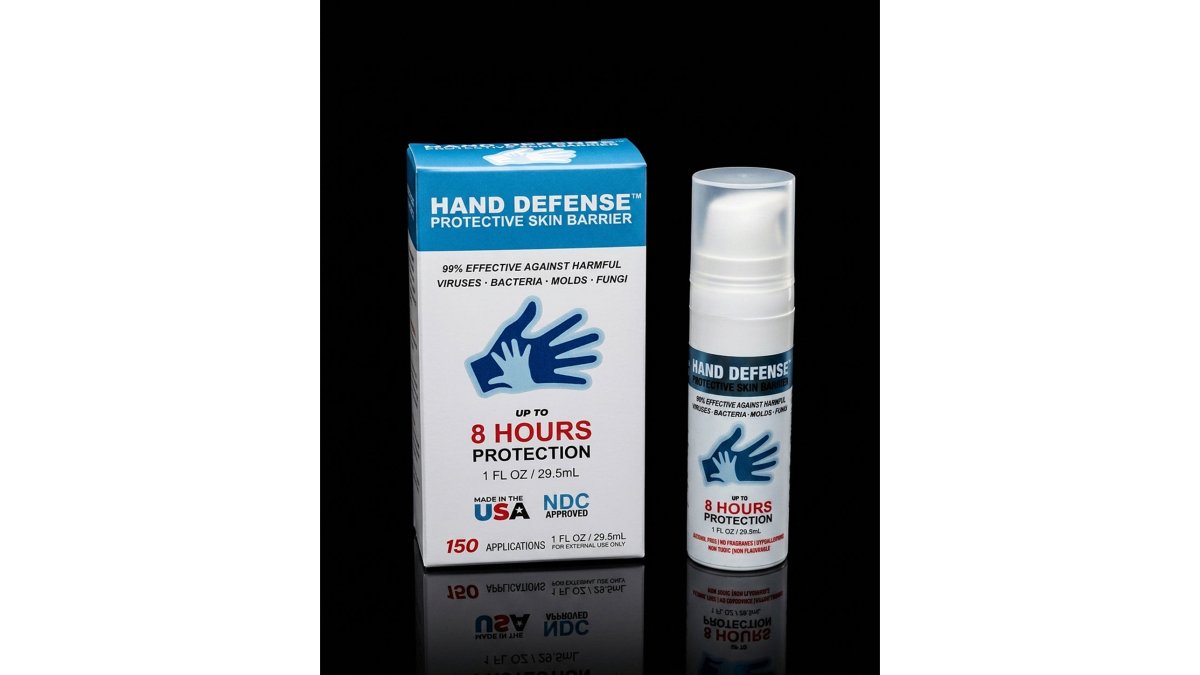
Speed is alcohol's main advantage, but it comes with trade-offs: alcohol dries skin, irritates frequent users, and can trigger sensitivity reactions in people with certain skin conditions.

Alcohol also evaporates quickly, leaving no residual protection. For healthcare workers or anyone sanitizing repeatedly throughout a shift, this causes cumulative skin damage.
How Alcohol-Free Sanitizers Work
Alcohol-free sanitizers use different mechanisms: benzalkonium chloride disrupts microbial cell membranes, organic acids lower pH and interfere with pathogen metabolism, and silver-zinc complexes create antimicrobial barriers on skin.
The critical difference: many alcohol-free formulas create residual protection, working for hours, up to 8 with properly engineered formulations like Hand Defense, so fewer applications are needed throughout the day.
The trade-off is speed: alcohol-free sanitizers typically need 30-60 seconds of contact time to match alcohol-based reductions.
(https://www.cdc.gov/norovirus/prevention/index.html)). Among alcohol-free actives, evidence is ingredient-specific: some organic acid formulas have shown activity against norovirus surrogates in lab testing, while benzalkonium chloride generally performs better against bacteria than non-enveloped viruses. There is no single "alcohol-free" answer here.Why the distinction changes your buying decision
If your main concern is respiratory illness during cold and flu season, an alcohol-free sanitizer with documented coronavirus and influenza testing is reasonable. If you're caring for someone with norovirus, working in food service, or changing diapers in childcare, soap and water is preferred, and an alcohol-free product should only be relied on if its label lists the relevant virus or a recognized surrogate and the tested contact time.
A virus-first way to read a label
Instead of asking whether is alcohol free sanitizer effective against viruses in general, ask "which viruses has this specific formula been tested against, and at what contact time?" A label that names the tested organism and the log reduction is far more useful than one that says "kills 99.9% of germs." The next section covers how to verify those claims.
Hand Sanitizer Contact Time: Why Duration Matters for Viral Inactivation
Contact time is the period a sanitizer must stay on your hands to achieve its labeled reduction, and the most common reason a product that looks good on paper underperforms. Most people rub for a few seconds and move on, cutting actual efficacy well below the label claim.
What the label contact time actually means
Manufacturers test under controlled conditions: known product volume, specified virus concentration, defined temperature, and precise contact time. The label contact time is the duration at which the tested log reduction was achieved, not a suggestion. If the label says 30 seconds, the product was not validated at 10.
Alcohol-based sanitizers typically show rapid reduction, often within 20-30 seconds, because ethanol denatures proteins quickly. Alcohol-free formulas usually need longer, commonly 30-60 seconds, because the active ingredient works through slower chemical pathways such as membrane disruption or pH change.
The lab-versus-real-world gap
The alcohol-free category deserves more scrutiny here. Lab tests use clean hands and a controlled soil load; real hands carry oils, sweat, food residue, and dirt that can shield viruses and reduce the active ingredient's effective concentration. A formula achieving a 3-log reduction in the lab may achieve noticeably less on a greasy or soiled hand.
Three factors widen or narrow that gap:
- Soil load. Heavily soiled hands should be washed with soap and water first. Sanitizer is not designed to cut through visible contamination.
- Product volume. Under-application is common. A dime-sized amount spread thin over both hands dries before the contact time elapses. Follow the label's volume guidance.
- Formulation. Gels, foams, and liquids behave differently. A formula engineered to stay wet longer can hold the active ingredient on skin for the full contact time; a fast-drying formula may not.
Residual activity is not the same as contact time
Some alcohol-free formulas are marketed for residual protection, meaning the active ingredient remains on skin after drying and continues reducing microbial load. That's a real property, but it's distinct from labeled contact time: residual activity doesn't shorten the initial contact time required to hit the label claim. When a product claims hours of protection, look for the test method behind that claim.
A practical contact-time checklist
- Read the label's contact time before you buy, not after.
- Apply enough product to keep both hands wet for the full duration.
- Rub all surfaces, including between fingers, thumbs, and fingertips.
- Do not wipe hands dry or shake them off early.
- If hands are visibly dirty or greasy, wash with soap and water instead.
Contact time is the bridge between a lab result and a real-world outcome. A product with a documented, realistic contact time that you actually follow will outperform a faster-acting product you rush.
Verifying Product Claims: How to Know If an Alcohol-Free Sanitizer Really Works
Product claims about antimicrobial efficacy should be backed by specific evidence. Look for:
NDC Listing: The National Drug Code listing indicates FDA registration and compliance with antimicrobial standards. This is a legitimate verification marker. Hand Defense's NDC listing confirms tested formulation.
Active Ingredient Percentage: Legitimate products clearly state the active ingredient and its concentration. Benzalkonium chloride is typically 0.1-0.13% in effective formulas. Vague descriptions like "proprietary blend" should raise questions.
Specific Pathogen Testing: Reputable products specify which microorganisms they've been tested against.
Made in the USA: Manufacturing location matters for quality control. Products made in the USA face stricter FDA oversight than imports. This isn't a guarantee of superiority, but it indicates accountability.
Ask the manufacturer directly if you're uncertain. Legitimate companies provide documentation of testing and efficacy claims. If they won't, that's a red flag.
When to Use Hand Sanitizer vs. Soap and Water
Both work, but they're not interchangeable.
Soap and water physically remove microorganisms: soap breaks down lipid membranes and water rinses them away.
Hand sanitizer works when soap and water aren't available, on a plane, in a meeting, at a grocery store.
The CDC recommends handwashing as the primary method and sanitizer as a secondary option (the CDC).
For frequent users, healthcare workers, teachers, retail staff, the choice between alcohol-based and alcohol-free matters more. Alcohol causes cumulative skin damage with repeated use.
For parents concerned about sensitive skin in children, alcohol-free options eliminate the irritation and drying that alcohol causes. For travelers, extended-protection alcohol-free sanitizers mean fewer applications needed throughout a long day.
The practical approach: use soap and water when available. Use sanitizer when you can't wash.
Choosing the right hand sanitizer means understanding what you're protecting against and how often you need protection. Our NDC-listed formula uses benzalkonium chloride, the same active ingredient trusted in institutional settings from major sports stadiums to U.S. military bases. Add Hand Defense to your daily routine and experience protection without the alcohol burn or skin irritation.
Frequently Asked Questions
Is alcohol-free hand sanitizer effective against viruses like COVID-19?
Alcohol-free sanitizers can inactivate certain viruses, but effectiveness depends on the active ingredient and contact time. Products containing benzalkonium chloride or quaternary ammonium compounds have demonstrated antimicrobial activity against some enveloped viruses in laboratory studies. However, alcohol-based sanitizers with 60-95% ethanol remain the gold standard for rapid viral inactivation. For maximum protection against coronaviruses, washing hands with soap and water for 20 seconds is more reliable than any sanitizer.
What's the difference between alcohol-based and alcohol-free hand sanitizer effectiveness?
Alcohol-based sanitizers (60-95% ethanol or isopropanol) work quickly by disrupting viral membranes and are proven effective against most enveloped viruses within 20-30 seconds. Alcohol-free sanitizers use alternative active ingredients like benzalkonium chloride or organic acids, which require longer contact time (often 1-2 minutes) to achieve similar viral inactivation. Alcohol-free options are gentler on skin and don't cause the drying or burning sensation of alcohol, making them better for frequent use or sensitive skin.
How long does hand sanitizer protection actually last on your hands?
Most hand sanitizers provide antimicrobial activity only during and immediately after application, typically 20 seconds to a few minutes while the product is wet on your skin. Once dry, the protective effect diminishes significantly. Some alcohol-free formulations claim extended protection (up to 8 hours) through residual antimicrobial ingredients that remain on the skin surface, but this depends on hand washing, sweating, and the specific formula.
Can you verify whether an alcohol-free sanitizer actually kills viruses?
Check for an NDC (National Drug Code) listing, which indicates FDA review of the product's active ingredients and claims. Look for published laboratory studies or clinical evidence supporting viral inactivation claims. Verify the active ingredient, benzalkonium chloride and certain organic acids have documented antimicrobial activity, while unproven ingredients should raise concerns. Be skeptical of vague claims like 'kills 99.9% of germs' without specifying which viruses or the contact time required. Products used in hospitals, schools, or military facilities often have real-world validation.